
Utilities Competencies
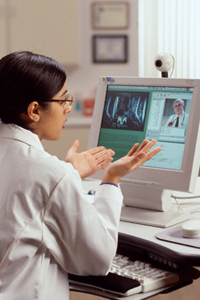
Utility competencies are related to the process of using computers and other technological equipment within nursing practice, education, research and administration. Specific nursing informatics competencies include the process of applying evidenced based practice, critical thinking, and accountability in the use of selected applications in a comfortable and knowledgeable way.
User Level Utility Competencies
- recognizes the relevance of nursing data for improving practice
- recognizes limitations of computer applications
- recognizes need for continual learning in informatics skills, applications and knowledge
- recognizes the nature of computer - human interfaces and assesses impact on client care
- understands the basic process of using networks for electronic communication
- recognizes the basic components of computer systems and mobile devices
Modifier Level Utility Competencies
- understands basic and complex concepts and processes of various computer systems and how they relate to practice
- synthesizes data from more than one source and applies to practice
- accesses and utilizes multiple information sources for gathering evidence for clinical decision making
- upholds ethical standards related to data security, confidentiality and clients' right to privacy
- evaluates internet based nursing and health materials for quality, accountability, reliability and validity
- coordinates information flow with multidisciplinary team using information systems
- analyzes client information needs, accesses technology resources to meet needs and evaluate effectiveness
Innovator Level Utility Competencies
- participates in needs assessment, system selection, implementation and maintenance of information systems for practice
- recognizes factors and issues related to human - computer interface interactions
- ensures inclusion of nursing data and information in design of planned information systems
- independently seeks learning initiatives to stay abreast of technological developments
- synthesizes data and information for knowledge generation within practice
- understands and helps to determine data structures used to organize patient information
Self-Assessment Menu
Facebook Highlight
Nursing Informatics Flickr


